
The standard first date — dinner at a restaurant, facing each other across a table for two hours — is one of the worst possible formats for creating genuine attraction.
This sounds counterintuitive. But when you understand what actually produces romantic chemistry between two people, the dinner date's flaws become obvious: it removes novelty, creates performance pressure, eliminates physical activity, and turns two people into job interviewers rather than co-adventurers discovering something together.
This guide covers what the research actually says about first-date attraction, and 25 specific date ideas ranked by what they do for connection — not just what sounds fun in a text.
The Psychology of What Makes a First Date Work
Self-Expansion Theory
Arthur Aron's self-expansion theory — one of the most replicated frameworks in relationship psychology — proposes that people are motivated to grow, and that relationships feel attractive when they facilitate that growth. In practice: activities that are novel, interesting, or that create a mild sense of challenge or discovery produce significantly stronger feelings of closeness and attraction than passive, familiar activities.
This is why adventure dates outperform dinner dates for initial attraction. It isn't that excitement "tricks" the brain into feeling attraction — it's that novel experience produces genuine interest, and genuine interest is one of the raw materials of attraction.
Misattribution of Arousal
The classic Dutton and Aron bridge study (1974) found that men who crossed a high, swaying suspension bridge reported significantly more attraction to the same interviewer than men who crossed a stable low bridge — and were more likely to call afterward. The physiological arousal of mild fear or excitement was being experienced as attraction to the nearby person.
The practical implication: mildly arousing activities — physical movement, mild adventure, anything with a small stakes outcome — produce a physiological state that can be attributed to the person you're with. This doesn't mean manufactured fear is romantic; it means activity and energy work in ways that static settings don't.
Side-by-Side vs. Face-to-Face
Social psychology research consistently shows that people experience less anxiety and more authentic conversation in side-by-side configurations than face-to-face ones. Face-to-face seating activates a mild competitive or evaluative mode — the same configuration used in job interviews and negotiations. Side-by-side creates a sense of shared perspective — you're both looking at something, not evaluating each other.
Activities that position people side-by-side — walking, cooking together, attending an event, playing a sport — naturally produce this dynamic.
The Role of Laughing Together
Shared laughter is one of the most consistent predictors of relationship satisfaction and romantic attraction. A study by Kurtz and Algoe (2015) found that laughter during a first interaction predicted greater interest in future contact more reliably than almost any other single variable. Activities that create opportunities for genuine shared laughter — rather than the performed chuckle of polite dinner conversation — dramatically improve first date outcomes.
25 First Date Ideas That Build Real Attraction
Tier 1: High Novelty + Physical Activity (Best for Chemistry)
1. Rock Climbing Gym
Side-by-side activity with a mild physical challenge, genuine achievement moments, and natural reasons to be encouraging and physical. Beginner-friendly gyms require no experience. The shared accomplishment of finishing a route creates an organic bonding moment. Post-climb food or drinks feel earned rather than performative.
2. Axe Throwing
The combination of mild physical skill, light competition, and inherent comedy (most first throws are terrible) produces exactly the conditions — novelty, arousal, shared laughter — that the research recommends. Now available in most mid-size cities.
3. Mini Golf
Underrated precisely because it seems low-stakes: it's side-by-side, has built-in humor, requires zero athletic ability, and creates constant small shared moments without pressure. The playfulness it activates reveals a lot about each person's actual personality.
4. Escape Room
Collaborative problem-solving under mild time pressure. You learn a remarkable amount about how someone thinks, communicates under stress, and responds to frustration — all relevant relationship data — while having a genuinely shared experience. Pairs better with people you've already had some conversation with online or via text.
5. Kayaking or Paddleboarding
Physical, outdoors, side-by-side, with natural conversation breaks and the shared experience of something slightly beyond the comfort zone for most people. Rented hourly at most urban waterfronts. Produces the genuine post-activity warmth that restaurant dinners never quite achieve.
6. Hiking a New Trail
Walking is one of the most psychologically effective conversation formats — it reduces eye contact pressure, provides environmental stimulation that fills conversational gaps naturally, and produces the physiological afterglow of exercise. Choose a trail with a destination (a viewpoint, a lake) for built-in pacing and an arrival moment.
Tier 2: Novel Experience + Social Energy (Great for Connection)
7. Street Food Market or Food Hall
Better than a restaurant for a first date: you're moving (not static), choosing together (collaborative), experiencing variety (novelty), and in a shared social environment rather than a formal sit-down structure. Far less pressure, much more fun.
8. Farmers Market + Coffee
Low-key, side-by-side, with built-in conversation prompts from every stall. Great for people who want a relaxed first meeting without the performative quality of a formal date. The lack of formality is a feature, not a bug — it's easier to be yourself.
9. Cooking Class
Collaborative, skill-based, inherently social. You're working toward something together, making mistakes in a low-stakes environment, and ending up sharing a meal you made — which carries significantly more emotional warmth than ordering from a menu. Many cities have affordable 90-minute intro classes for various cuisines.
10. Pottery Class
Absurd, messy, and funny — which is exactly the point. The Ghost reference is clichéd but the experience is genuinely connective because it's so inherently silly that pretension becomes impossible. No one looks cool doing pottery on a first attempt.
11. Comedy Club
Shared laughter is one of the most reliable connection-builders available. A comedy club provides it externally — you're not responsible for being funny, just for sharing the experience. The conversation afterward ("what did you think of that bit?") also reveals a lot about each other's sensibilities.
12. Trivia Night at a Bar
Side-by-side, collaborative, with natural competition and team identity. Low pressure — you're focused on the game, not each other — but with consistent moments of shared energy. Best for people with similar interests or intellectual curiosity.
13. Art Gallery or Museum
Walking, side-by-side, with built-in conversation prompts at every exhibit. The depth of conversation that emerges around art or history reveals personality much more genuinely than "so what do you do?" Good for: analytical, curious, or culturally oriented people. Skip for: anyone who finds museums boring — the drag is visible and unrecoverable.
14. Bookstore Wander
Bring up an interest mid-text-conversation, suggest meeting at a bookstore and each finding something related to it. This format reveals taste, intellectual life, and personality while remaining low-stakes. Coffee afterward with the purchases as conversation props.
Tier 3: Casual + Low Pressure (Great for Anxious Daters or Meeting Someone New)
15. Coffee + Walk
The most underrated first date format for people who experience anxiety around dates: genuinely low-stakes, easily extended or ended gracefully, and the walking format helps both people relax. Suggests genuine interest without the obligation weight of a dinner date.
16. Cocktail Bar with Interesting Menu
Better than a generic restaurant: cocktail bars typically have atmospheric settings, menus that prompt conversation ("what does that even taste like?"), and a relaxed pace. Choose somewhere with character over somewhere with a Michelin star.
17. Ice Cream or Dessert Only
Casual, positive (sugar is a reliable mood elevator), and removes the mealtime structure that makes dinner feel like a test. Great for a first meeting after online dating where you're still establishing basic chemistry.
18. Sunday Brunch
Morning dates are consistently underused. Brunch is relaxed, implies neither party is desperately carving time out of a busy schedule, and the alcohol (if present) is lighter in the morning. The daytime also removes some of the pressure-filled end-of-evening dynamic.
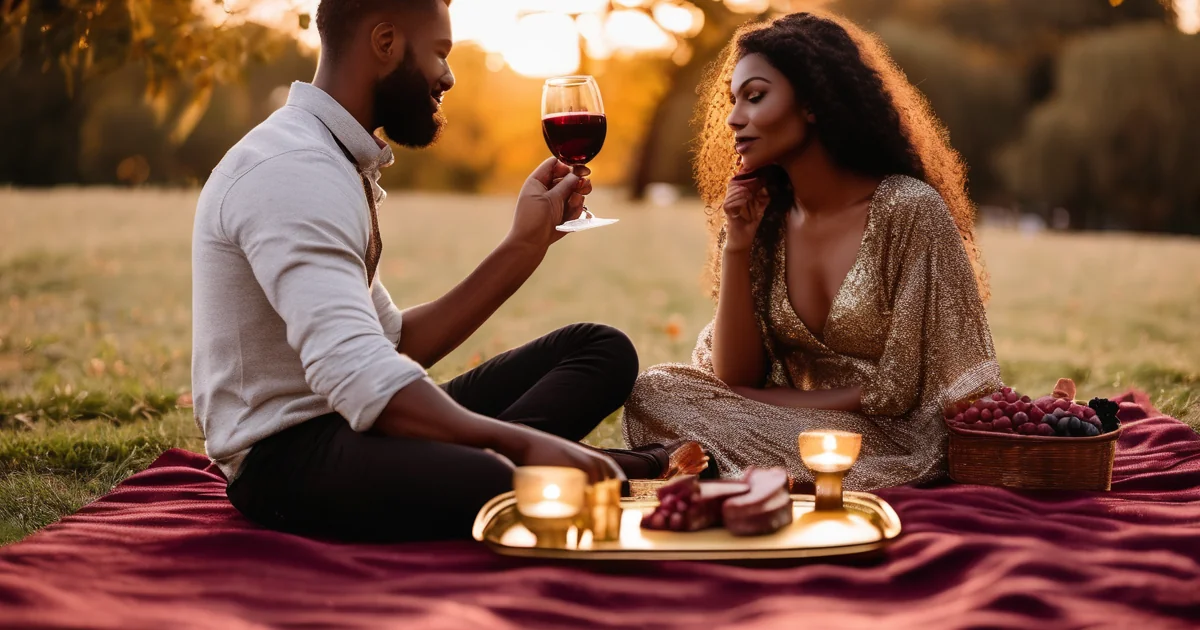
19. Picnic in a Park
Requires a small amount of initiative (preparing food or buying from a market beforehand) that signals genuine effort. Side-by-side, outdoors, zero time pressure. Works best in warm weather with enough forethought to feel intentional rather than afterthought.
Tier 4: Slightly More Adventurous (Once There's Already Some Chemistry)
20. Salsa or Swing Dancing Class
Physical touch is activated immediately and naturally, without the weirdness of arranging it. The slight absurdity of learning to dance together creates shared laughter. Requires slightly more confidence to suggest — but lands well when accepted.
21. Batting Cages or Driving Range
Physical, slightly competitive (but not high-pressure), and both provide built-in humor when things go wrong. The driving range in particular works well: side by side, outdoor, unhurried, with natural conversation between shots.
22. Sunset Somewhere with a View
Timing-dependent but worth planning around. Shared beauty experiences — particularly visually striking ones like sunsets, cityscapes at night, or natural landscapes — produce genuine awe, and awe is one of the emotional states most strongly associated with social bonding and feeling close to another person.
23. Vintage or Thrift Shopping
Side-by-side, with built-in humor from the inventory, collaborative (you can look for something for each other), and the finds themselves become conversation artifacts. Reveals personality in an immediate, unscripted way.
24. Board Game Café
Many cities now have board game cafés with hundreds of games available. Better than a bar for people who find loud music a conversation killer. The game provides structure and breaks conversational pressure in a different way than a regular bar setting.
25. Stargazing
Requires a dark enough location and some planning — but for the right person, few first date experiences create the quality of quiet connection that looking at stars together does. Awe, physical closeness from cold, and the kind of conversation that happens when the environment is vast and quiet.
First Date Tips That Actually Matter
Keep It to 90 Minutes
The first date's job is to determine whether there's enough to explore further — not to cover everything about each other's lives. Ninety minutes is enough to know. An open-ended date that runs 4 hours because neither person suggests ending it produces a different kind of exhaustion than excitement. Leave them wanting more.
Suggest the Activity, Not Just "What Do You Want to Do?"
Choosing an activity and suggesting it specifically signals confidence and reduces the decision fatigue that "I don't know, what do you want to do?" creates. "I was thinking we could try X, does that sound good to you?" shows initiative while leaving room for genuine input.
Put the Phone Away
This seems obvious. It isn't — research on phone presence during conversations shows that even a face-down phone on a table reduces connection quality and perceived empathy. Your phone in your pocket produces a meaningfully better date than your phone on the table.
Follow the Conversation, Not the Agenda
First dates with a strong agenda — getting through a mental checklist of compatibility questions — feel like job interviews. The goal is not data collection; it is connection. Let the conversation go where it wants to go. The best dates feel like time disappeared. That's the experience you're after.
For how to keep the connection alive after the first date, see our texting psychology guide.
What Makes Someone Want a Second Date
Research by Finkel and Eastwick (2008) on speed dating found that the strongest predictor of wanting to see someone again was not shared interests or demographic similarity — it was the quality of the felt connection during the interaction itself. Specifically: did the person seem genuinely interested in you? Did you feel seen rather than assessed? Did time seem to pass quickly?
All of this is a function of how present, curious, and genuinely yourself you were — not which restaurant you chose.
The date format sets conditions. You create the connection.
Frequently Asked Questions
Q: Who should plan the first date?
Whoever suggests it should plan it — at least an initial specific idea. Suggesting a date and then saying "you pick the place" shifts all the decision burden onto the other person. Have a concrete suggestion ready; adjust based on their response.
Q: How long should a first date last?
60–120 minutes is ideal. Enough time to move past small talk and get a genuine sense of each other; short enough to leave natural energy for a second meeting. If it's going exceptionally well and extending naturally, follow that. If it's hitting 3 hours because neither person wants to seem eager to leave, suggest a clear end point.
Q: Should you pay on the first date?
The research on this is culture- and preference-dependent. The consistent finding: whoever suggested the date usually pays for the original activity, and splitting subsequent drinks or dessert is natural. The bigger issue is intentionality — a gracious offer communicates more than a calculated split.
Q: What if the first date goes badly?
A bad date is useful information delivered efficiently. If the chemistry isn't there, the activity was uncomfortable, or the conversation never found a rhythm — that's a first date doing its job of filtering. Thank them, wish them well, and move on without overthinking it. For patterns of repeatedly struggling with first dates, see our dating anxiety resources.
Q: Is it okay to suggest a first date via text?
Yes — and it's often the clearest format. "I'd like to take you to X on Saturday" via text is direct, easy to respond to, and removes the pressure of a phone call for a generation that texts naturally. For more on using text well in early dating, see our texting psychology guide.
Conclusion
The best first date is not the most impressive one — it is the one that most naturally allows two people to discover whether they want to keep discovering each other.
Activity matters because environment shapes behavior, and behavior creates connection. Choose something that keeps you moving, creates genuine shared experience, produces natural laughter, and removes the performance pressure of sitting across a table being evaluated.
Beyond that: be genuinely curious about the other person. Ask real questions. Share something true about yourself. Put the phone away.
The rest follows.
→ Download Free: Perfect Dating Profile Template
References: Aron A, et al. (1997). The experimental generation of interpersonal closeness. PSPB. | Dutton DG, Aron AP. (1974). Some evidence for heightened sexual attraction under conditions of high anxiety. JPSP. | Kurtz LE, Algoe SB. (2015). Putting laughter in context: Shared laughter as behavioral indicator of relationship well-being. Personal Relationships. | Finkel EJ, Eastwick PW. (2008). Speed-dating. Current Directions in Psychological Science.




0 Comments
Leave a Comment
Your email won't be published. Comments are moderated.
No comments yet. Be the first to share your thoughts!